Business Expansion Tips podcast
How the LinkedIn Algorithm Actually Works in 2026
Two people can post just as often and get very different reach. I explain how LinkedIn's 360 Brew reads your profile and content, and what it rewards in 2026.
24 June 2026 · 10 min
Share
The story behind this episode
Right now, in mid-2026, I see two kinds of people on LinkedIn.
Some reach brand-new audiences every week. People who have never heard of them are commenting on their posts.
Others have thousands of followers and a few hundred views per post. They post consistently and put in the effort, yet it feels like they are talking to nobody.
The difference is not how often they post. It comes down to the algorithm.
The story the AI builds about you
LinkedIn’s internal AI is called 360 Brew, and it has replaced the old, simple model. You posted, your connections saw it, and shares pushed it further.
360 Brew reads your profile and your content together, not separately. It builds what I call a semantic story about who you are.
That means the AI is asking one question. What is this person an expert in, and who should see their content?
If your profile says one thing and your content says another, it gets confused. The same happens if your topics jump around every week.
Picture someone whose content says business coach. Monday brings sales tips and Wednesday a family photo.
Friday is a mindset quote and Sunday is AI. The algorithm cannot place them, so it shows their content to fewer and fewer people.
When your profile and content tell the same story about two or three clear topics, the algorithm starts matching you to people who care about them.
That is how reach grows in 2026. It is not about volume, it is about clarity.
How far your content gets pushed
Once 360 Brew knows who you are, it decides how far to push your content. It uses a depth score, and that has little to do with likes.
First it measures dwell time. A post someone reads for 45 seconds tells the algorithm far more than a like given in two seconds.
Then it looks at the quality of comments. “So true” means nothing, while thoughtful, specific, on-topic comments show a real professional conversation.
Saves are the most underrated signal. A save carries five to 10 times the weight of a like, and a private share by DM or email is gold.
There is also the golden hour, the first 60 or 90 minutes after you post. LinkedIn tests your content with a small group, and if they read it, save it and pass it on, it gets a boost.
Ask a different question
So before I post, I no longer ask whether people will like it. I ask whether they will save it, send it to someone or stop and think.
LinkedIn in 2026 rewards clarity and trust. Clarity means your profile and expertise tell the same story over time, and trust means content people want to save and share.
Try this. Pull up your last 10 posts side by side and ask honestly whether they tell the same story.
Then ask whether a stranger could read your profile and understand what you do and who you help. If not, that is the gap to fix.
The algorithm is not your enemy. It is trying to connect the right content with the right people, so make it easy for the AI to understand you.
If you want me to show you where your story breaks down, book a talk with me and we can do a full LinkedIn audit.
“It's not about volume, it's about clarity.”
Kanika Vasudeva
What you can take from this episode
If you only have a minute, these are the ideas worth putting to work in your own business this week.
- Your profile and content are read together. 360 Brew builds a semantic story about what you are an expert in, so your profile and posts need to say the same thing.
- Jumping between topics costs you reach. When the AI cannot place you, it shows your content to fewer people. Two or three clear topics help it match you to the right audience.
- Likes no longer carry the weight they used to. The depth score looks at dwell time and comment quality, so a post read for 45 seconds says more than a like given in two seconds.
- Saves and private shares are strong signals. A save carries five to ten times the weight of a like, and a share by DM or email is treated as gold.
- The golden hour matters. LinkedIn tests your post with a small group in the first 60 to 90 minutes, and real engagement in that window earns a boost.
- Write for clarity and trust. Before you post, ask whether people will save it, send it to someone or stop and think.
Resources mentioned in this episode
- Book a talk with Kanika If you want me to look at your LinkedIn profile and show you where your story breaks down, we can do a full LinkedIn audit together.
Read the full conversation
This transcript comes from the recording and has been lightly edited, so it may not match the audio word for word.
Open the full transcript
00:00 Kanika Vasudeva: Right now, in mid-2026, I'm seeing two types of people on LinkedIn. There are people whose content is reaching brand-new audiences every week. They are reaching people who've never heard of them, who've never followed them, who've never connected them, and they're suddenly seeing their posts being more commented on and having more impressions.
And then there are people with thousands of followers who are complaining about the algorithm because they are getting few hundred views per post. They're posting consistently, they are putting in the effort, but they feel like more and more they're just talking to nobody.
So today we are going to talk about this drop in reach for a few people. That difference has nothing to do with how often somebody is posting, but it's got everything to do with LinkedIn algorithm.
And today I wanna talk to you more about the LinkedIn algorithm, tell you what is it measuring, why are some people's posts getting fewer and fewer impressions, and basically what can you do so that your content gets more reach. So let's get into it.
So first, I want to introduce you to 360 Brew. 360 Brew is LinkedIn's internal AI algorithm, and this is the reason why whatever you knew about LinkedIn has suddenly changed. There was an old time where LinkedIn was simple. You posted something, your connections would see it, and then it would start getting shares, more people would see it, and that's it.
But that model's gone because it's been replaced by 360 Brew. And 360 Brew doesn't just look at your posts. It reads your profiles and your content together. Not separately, together.
It builds what I like to call a semantic story about who you are.
A semantic story just means this: the AI is constantly trying to figure out one question. It is trying to understand, what is this person an expert in and who should I be showing their content to? So if your profile is saying one thing and your content says something else, then the AI gets confused. If your content jumps between topics every week, then the AI gets confused.
And when the AI gets confused, it stops distributing your content because it literally doesn't know who to show your content to, so it shows it to less and less people. And you will see this for business owners around you as well. Maybe their content says something like a business coach. And then on Monday, they post sales tips.
On Wednesday, they share a family photo. On Friday, they've got a mindset quote. Sunday, they're talking about AI. But now their content is so different, so varied, the algorithm literally cannot place them because there is no clear story, so the reach collapses. But there's the other side of this as well. If your profile and your content are telling the exact same story and you're consistently talking about two or three clear topics, then the algorithm starts to understand you.
Now it will start matching you to people who are interested in those topics. And suddenly, people who've never heard of you, people who don't follow you, they will be engaging with your account. That is how reach grows on LinkedIn in 2026. It's not about volume, it's about clarity. Your profile and your content needs to be coherent and work together.
That's the foundation.
Once 360Blue understands who you are and how to push your content, it's now trying to figure out how far to push your content, and it uses something called the depth score to make that analysis. The depth score has got nothing to do with likes, by the way, and I'll say that again, because likes do not move the needle the way they used to.
has shifted completely from these vanity metrics.
Instead, the depth score measures a couple of different things. First, it measures the dwell time, meaning how long does someone actually read your post? Did they just scroll past or did they stop? Did they read it all the way through? And the algorithm can actually detect this. A post that someone reads for 45 seconds tells the algorithm that they are really interested.
But if someone just liked it in two seconds, then that gives the algorithm a very different signal.
So how long someone reads your content, that's scored as dwell time, and that improves your depth score.
Now, next thing that the algorithm looks at is the quality of the comments. Comments might be something like, "So true," and that means nothing to the algorithm.
Comments that really increase your reach are thoughtful comments, specific comments, on-topic comments that tell the algorithm that you sparked a real conversation, a real professional dialogue. That gets rewarded.
And then let's talk about saves. This is the most underrated signal on LinkedIn. When someone saves your post and clicks that bookmark link, LinkedIn reads it as a signal that the person found your content valuable, and so valuable that they've saved it, so they're going to come back to it. So saves actually carry five to 10 times the weight of a like.
And similarly, private shares as well. When someone reads your content and then shares it in a DM or in an email, the algorithm sees that as gold.
There's also something else which is called the golden hour. That is the first 60 or 90 minutes after you post on LinkedIn, because LinkedIn at that time is testing your content with a small group of people.
If during those 60 or 90 minutes, there are people who engage with the content, they read it, they save it, they push it out, then your content gets a lot more boost. So the question to ask yourself before you post is not just, "Well, are people going to like this?" Mm-mm. The question should be: Will people save this?
Will they send this to someone? Will your content make them stop and think? Because that's the content that LinkedIn rewards now. So here's the thing that I want to leave you with. LinkedIn in 2026 is rewarding two very different things. It's rewarding clarity and trust. Clarity means your profile, your content, your expertise, all telling the same story consistently over time.
And trust means content that people actually want to save and share. They want to engage with it.
And the algorithm is smart enough to figure out comments or likes that are given just for the sake of it, or whether the comments and likes were given because your content was genuinely worth it.
So here's a simple exercise for you. Just pull up your LinkedIn profile and look at your last 10 posts side by side, and then ask yourself honestly, do all of these tell the same story?
Will somebody who does not know you look at your profile, understand who you are, what you do, and who you help just from reading that? If that answer is no, then that's a gap you need to fix. If you want me to look at your LinkedIn profile and tell you exactly where that semantic story is breaking down for you, you can reach out to me on LinkedIn at Kanika Energy Coach.
We can do a full LinkedIn audit and make sure that we close that gap for you. Because the LinkedIn algorithm is not your enemy. It's actually trying to connect the right content with the right people, and your job is to make it easy, super easy for AI to understand you. When you do that with clarity in your profile, consistency in your topics, and content that is worth saving, then the algorithm stops working against you, and it starts working for you.
So now, if this episode was useful, please click subscribe because I break down strategy every week so that you can grow your business. I'll see you in the next one
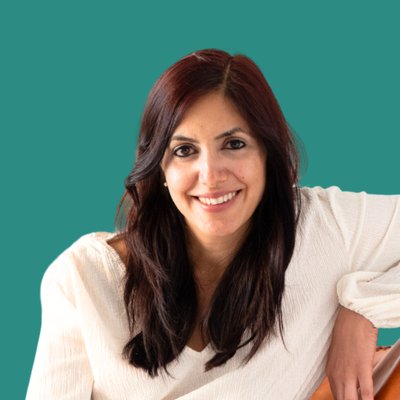
Your host, Kanika Vasudeva. I help teams and business owners get found, trusted and chosen on LinkedIn. Read my story.
Keep listening
Ready to take your business to the next level?
Expanding your business today starts with trust.
I help you build that trust and authority online, so a community of the right buyers grows around you and reaches out ready to work with you.